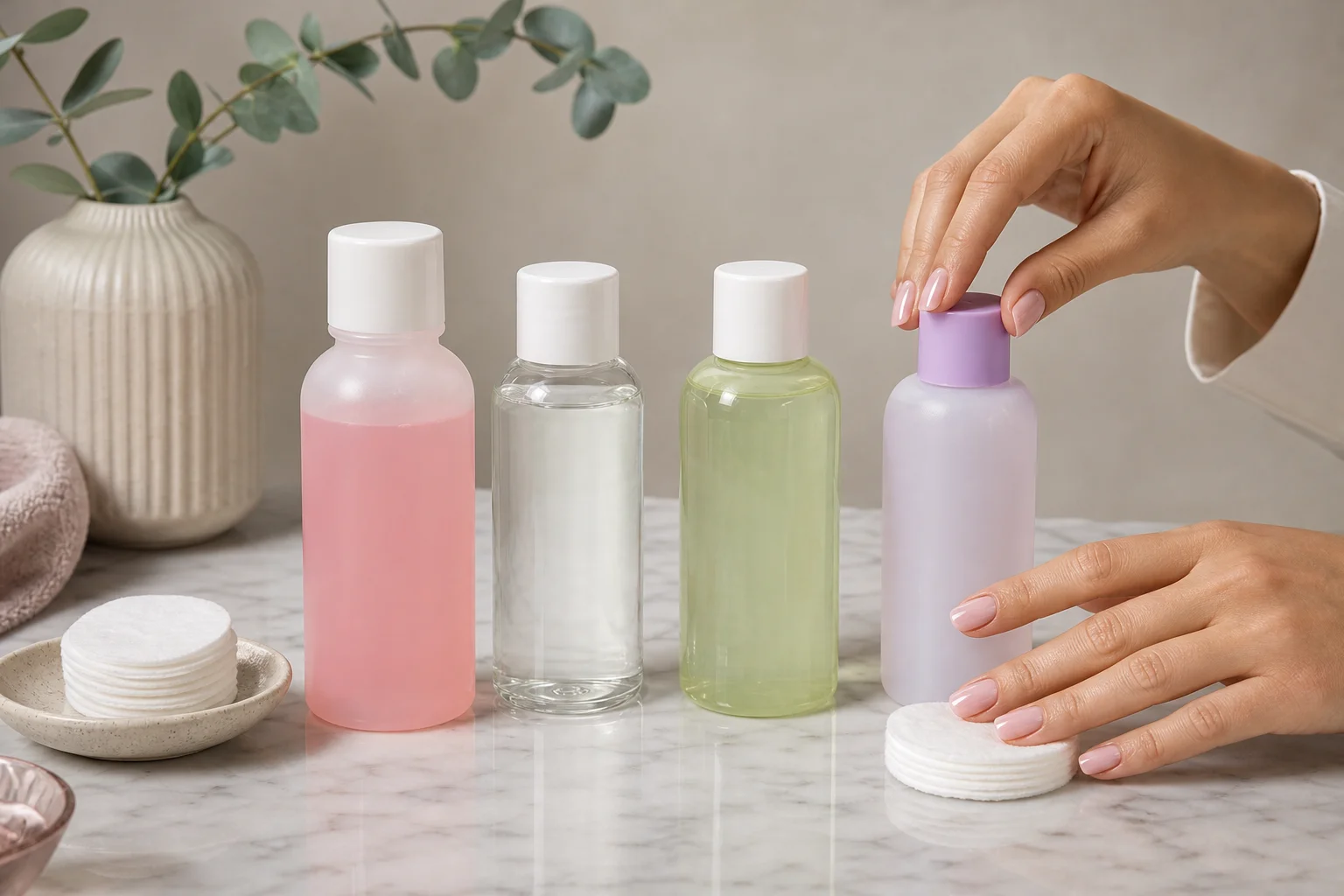
Nail polish remover is an essential tool in every beauty routine, but choosing the right one for your lifestyle and nail needs can be challenging. With countless options on the market, it's easy to feel overwhelmed by formulas, benefits, and ingredients. This article presents a practical framework to help you compare and select the best nail polish remover based on your preferences, skin sensitivity, and desired results.
Understanding Types of Nail Polish Removers
There are several main types of nail polish remover, each with its own benefits and suitability. The core distinction lies between acetone-based, non-acetone-based, and natural or moisturizing formulas.
Acetone-Based Removers
Acetone-based removers are the most efficient at removing stubborn color, glitter, or gel polishes. They work quickly and with minimal effort, making them ideal for those who frequently change nail designs or use salon-grade polishes. However, acetone can be drying to nails and surrounding skin, so it's best for robust, healthy nails and occasional use.
Non-Acetone Removers
Non-acetone removers typically use gentler solvents such as ethyl acetate. While they may require more time and scrubbing to remove polish completely, they are less harsh, making them a preferred option for those with brittle nails, sensitive skin, or who polish frequently. Non-acetone formulas are also safer for use on natural or artificial nails.
Natural and Moisturizing Formulas
An increasing number of brands offer natural or moisturizing nail polish removers featuring ingredients like soy, glycerin, or essential oils. These products minimize chemical exposure and reduce drying, making them ideal for users seeking a gentler and eco-friendlier alternative. They're suitable for regular users and those with sensitive skin, though removal can take longer.
Key Ingredients to Consider
When assessing the best nail polish remover for your routine, it's important to review the ingredient list:
– Acetone: Fast-acting, but dehydrating for nails and cuticles
– Ethyl acetate: Common in non-acetone formulas, less drying
– Moisturizers (like aloe, glycerin): Help maintain nail and skin hydration
– Fragrance: Gives a pleasant scent, but can irritate sensitive users
– Natural extracts/oils: Good for eco-conscious consumers and gentle on skin
Choosing the Right Remover for Your Needs
For Quick Removal
If efficiency is your top priority, acetone-based removers provide fast and complete removal, especially for stubborn or layered nail art. Ensure you follow up with a nourishing oil or cream to restore moisture.
For Sensitive Skin and Nails
If your nails are prone to breakage or your skin reacts to strong chemicals, select a non-acetone or natural remover. These minimize irritation and help keep your nails strong through frequent changes.
For Eco-Friendliness and Moisture
Environmentally conscious individuals may prefer biodegradable, plant-based removers with added moisturizers. These are less likely to strip nails and are a thoughtful choice for sustainable beauty routines.
Comparison Table: Nail Polish Remover Options
Use this practical framework to compare the most common options:
| Remover Type | Speed | Harshness | Eco-Friendliness | Best for |
|—————|———|———–|——————|—————————|
| Acetone | Fast | High | Low | Quick, deep removal |
| Non-Acetone | Medium | Medium | Medium | Frequent polish use |
| Natural/Moist | Slow | Low | High | Sensitive skin/environment|
This table summarizes major points of comparison for anyone seeking the best nail polish remover for their needs.
Additional Features to Look For
Look for removers with built-in conditioners, drip-resistant caps, or recyclable packaging. Consider wipe or pad formats for convenience on-the-go, and avoid harsh, artificial fragrances if you have sensitivities.
Final Thoughts
Selecting the ideal nail polish remover is a process of balancing efficacy, gentleness, and eco-impact. Understanding your preferences and using this practical comparison framework will help you make an informed choice that supports both your beauty goals and skincare health.
Leave a Reply