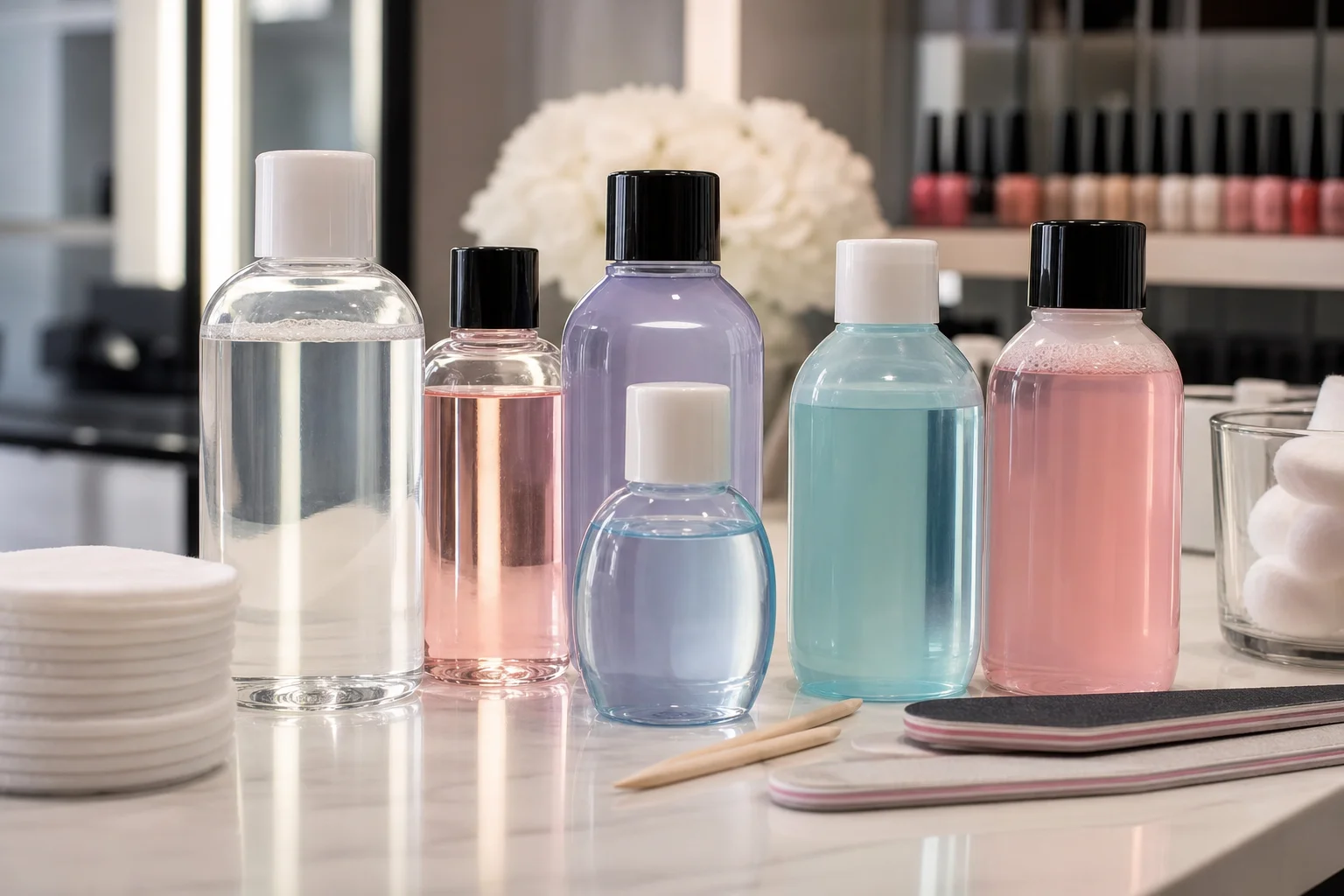
Choosing the right nail polish remover is about more than simply picking up the first bottle you see on the shelf. For salons, spas, and even general business supply buyers, the decision impacts not only results but also customer experience, operational efficiency, and product safety. This practical framework will help you evaluate and compare various options, including the increasingly popular choices like those found at best nail polish remover, so you can make a well-informed selection tailored to your specific needs.
Key Types of Nail Polish Removers
Nail polish removers can be broadly classified into two categories: acetone-based and non-acetone-based. Each has unique benefits and drawbacks, making the selection process dependent on your business’s particular priorities.
Acetone-Based Removers
Acetone is highly effective at dissolving all types of polish, glitter, and gel, and is the preferred option for quick, thorough clean-up. However, it can be drying for nails and cuticles, so it’s best suited to environments where speed and complete removal outweigh concerns about nail sensitivity.
Non-Acetone Removers
These removers use alternative solvents like ethyl acetate, making them gentler on skin and nails. They are ideal for clients with sensitive skin or for businesses that want to offer a gentler, more nourishing service, but they may require more effort or time for complete removal.
Key Comparison Criteria
When evaluating nail polish removers, keep these factors in mind:
1. Effectiveness
Does the remover work efficiently on various types of polish? Acetone-based removers generally score highest here, but premium non-acetone products have made significant advances in performance.
2. Impact on Nails and Skin
If many of your clients ask for nourishing services, opt for removers with added moisturizers like vitamin E or aloe. This is especially important for frequent polish changes.
3. Odor and User Experience
Strong chemical smells can be a client deterrent, particularly in small or enclosed spaces. Choosing a remover with a mild scent or added fragrance could enhance the overall customer experience.
4. Speed and Convenience
Acetone solutions act fast, which is valuable in busy settings. Consider how long each product takes to remove all polish. Some options, like sponge-in-a-jar designs, also boost operational efficiency.
5. Price and Value for Money
Compare cost per use and packaging size. Bulk packaging or concentrated formulas often help reduce overall costs for businesses.
Building a Comparison Table
Once you have a shortlist, create a table to objectively rate each remover on the criteria above. Score each option on a scale (for instance, 1–5) for effectiveness, gentleness, scent, speed, and price. This provides measurable insights and supports more transparent decision-making.
Practical Recommendations
For high-turnover businesses, acetone-based removers may be best for quick results, but always offer a non-acetone alternative for sensitive clients. Consider eco-friendly and hypoallergenic formulas if your clientele leans in that direction. Many professionals rely on trusted suppliers, such as https://carecosmetics.com.pk/products/nail-polish-remover, for consistent quality and a range of options suitable for different salon needs.
Final Thoughts: Making the Best Choice
The right nail polish remover doesn’t just affect end results; it reflects your business’s values in terms of health, safety, and customer care. By adopting a comparison-based selection framework, you’ll be able to justify your choices, optimize supply costs, and ultimately deliver a superior service experience to each client.