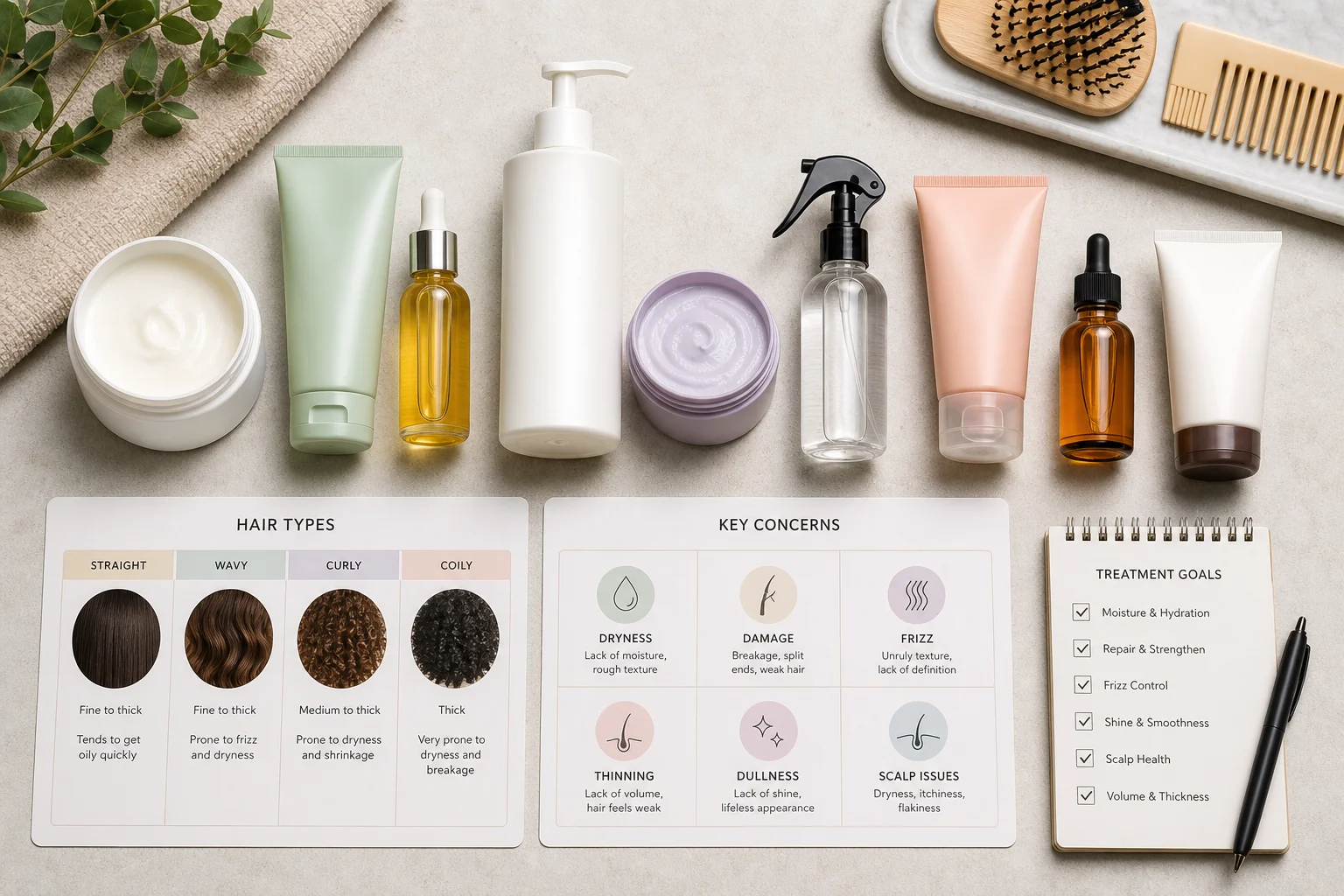
Modern hair care offers an impressive array of treatments, from deep conditioning masks to bond-repair serums and smoothing oils. However, with so many products and promises, the challenge lies in choosing the right treatment tailored to your unique hair. In this guide, you'll discover a practical selection and comparison framework to navigate the world of hair treatments and achieve healthier, more manageable hair.
Understanding Hair Treatment Types
Hair treatments address a variety of concerns, and broadly fall into the following categories: hydration and repair, scalp care, frizz control, color protection, and volume enhancement. Each category contains both at-home and professional salon formulations. Matching your hair's needs to these categories is the first step in the selection process.
Hydration and Repair
Deep conditioners, masks, and bond-building treatments target dry or damaged hair. Key ingredients typically include oils (argan, coconut), proteins (keratin, collagen), and innovative actives such as peptides. These treatments boost moisture levels and strengthen the hair’s structure, making them essential for chemically treated or heat-styled hair.
Scalp Care
Balancing and clarifying products like scalp scrubs, serums, and exfoliating masks improve scalp health, manage dandruff, and can promote better hair growth. Essential oils, salicylic acid, and soothing botanicals are common ingredients. Effective scalp care treatment choices depend on whether the concern is oiliness, dryness, or irritation.
Frizz Control and Smoothing
Anti-frizz serums, smoothing creams, and leave-in conditioners minimize flyaways and create sleek styles. Popular ingredients include silicones for smoothing, as well as hydrating compounds to lock in moisture. The key is to balance smoothing effects with build-up risk, especially for fine hair.
Color Protection
Color-safe treatments use antioxidants, UV filters, and gentle cleansers to prevent fading and brassiness. These are ideal for those with dyed or highlighted hair, helping to maintain vibrancy and strength.
Volume and Thickening
Products in this group—such as volumizing sprays, mousses, and lightweight conditioners—add body without weighing hair down. Look for polymers, rice protein, or caffeine to boost fullness, especially for fine or limp hair.
Framework for Comparing Hair Treatments
To streamline your selection, use a step-by-step framework based on your hair’s profile and goals:
1. Identify Your Primary Hair Need
Is your priority repairing damage, taming frizz, or enhancing color retention? Choosing one key focus will help narrow the field.
2. Assess Your Hair Type and Texture
Fine, thick, curly, or straight—each hair type benefits from specific formulas. For example, heavy oils suit coarse hair, while light serums are better for fine hair.
3. Consider Ingredient Sensitivities and Preferences
If you are sensitive to sulfates, parabens, or fragrances, check product labels. Also, choose vegan or cruelty-free formulas if those align with your values.
4. Choose the Application Frequency
Some treatments, like masks, are weekly rituals; others, like leave-ins or oils, can be used daily. Match products to your maintenance routine.
5. Compare Performance and Price
Review product claims, user reviews, and the reputation of the brand. Price differences often reflect ingredient quality, concentration, and research behind formulations.
Example Comparison Table
Let’s compare three popular types of hair treatments for dry, damaged hair:
– Deep Conditioning Mask: Intensive hydration, applied weekly, best for very dry or processed hair.
– Bond-Repair Serum: Restores broken hair bonds from bleach/color, lightweight, suitable for all hair types, used 1–2 times per week.
– Leave-In Conditioning Spray: Daily use, light moisture, detangles and smooths fine or normal hair.
Using the framework above, someone with fine, color-treated hair and limited time might choose the bond-repair serum for best results.
Tips for Getting the Most Out of Your Hair Treatment
For best outcomes, always follow instructions, avoid overapplication, and combine targeted treatments only as recommended. Regularly reassess your hair's needs—seasonal changes and lifestyle shifts often require updating your regimen.
Choosing with Confidence
By applying a comparison framework to the vast market of hair treatments, you give yourself the best chance of finding products matched to your hair type, concerns, and lifestyle. This approach leads to improved results and healthier hair over time.